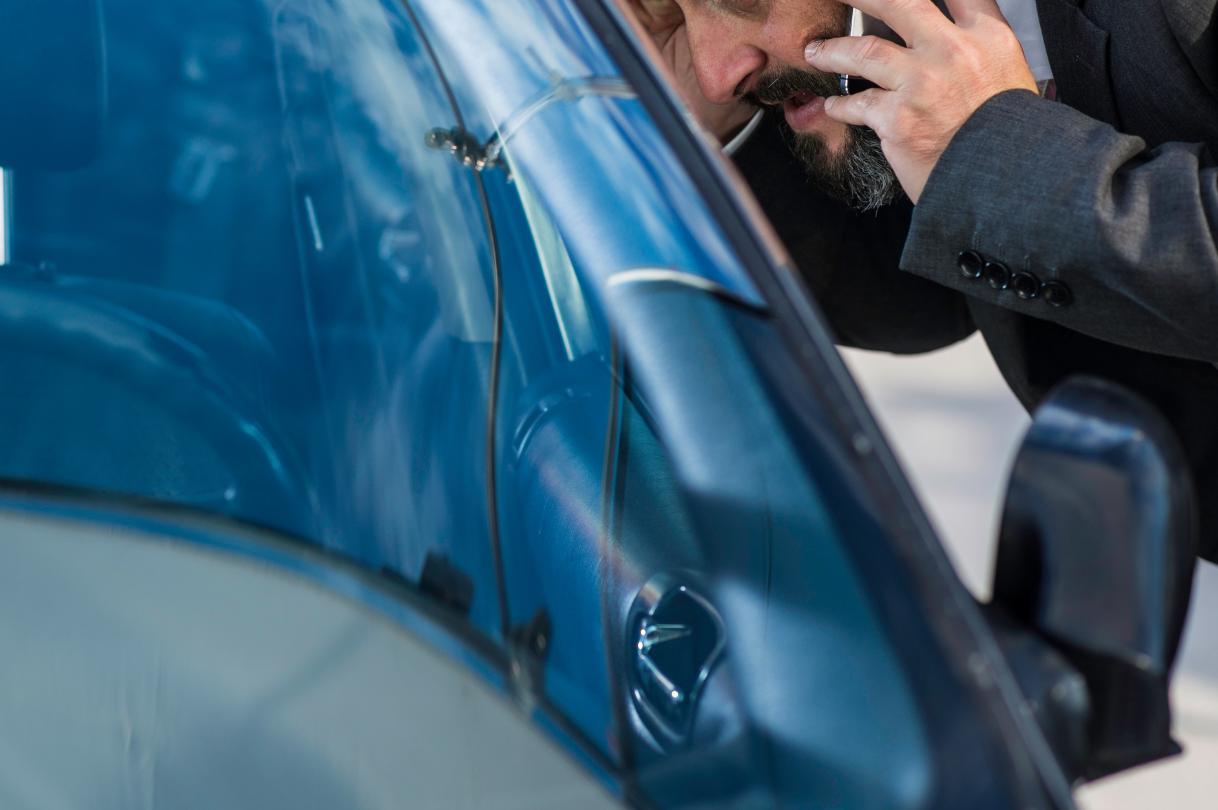
David, a 56-year-old father, took the rap for his daughter, Audrey after a traffic accident and was jailed for five days. He had falsely admitted he was driving the car when it collided with a motorcyclist, who suffered serious injuries. David served a 5-day prison term and was banned from driving for 2 years.
The victim came to Hoh Law Corporation to claim compensation. My firm watched and analysed the footage several times as a routine check and noted something was amiss — in the audio recording play-back, David tried his level best to calm Audrey down, repeatedly telling her not to “kanchiong” (meaning “anxious”). And within seconds, he told her resolutely to come down and he will take her place. That seems like a snap decision.
My firm did what was expected as an officer of the court — we called the investigating officer and wrote a letter to highlight the glaring oversight.
Both David and Audrey later admitted to police that Audrey was driving the car when the accident occurred. That led to the quashing of David’s conviction, a father who took in his daughter’s place.
Acting for the victim in a civil suit, we knew this cannot be perpetuated. What was audio evidence of a lie had consequences for all parties.
For the civil claim, my firm had to decide on the right party to sue – David or Audrey. For the police system, it was a loophole in the chain of investigation. For the justice system as a whole, an innocent man, at least for the act causing grievous hurt, was jailed.
And for the father and daughter, justice was muted so as to protect the driver. That left a gap in the course of justice. And in the words of the DPP: “The correct persons must be punished for the correct offences.”
And admittedly, it is a most unfortunate case of paternal protection that was based on the wrong conviction.