
Notaries Public. Commissioners for Oaths
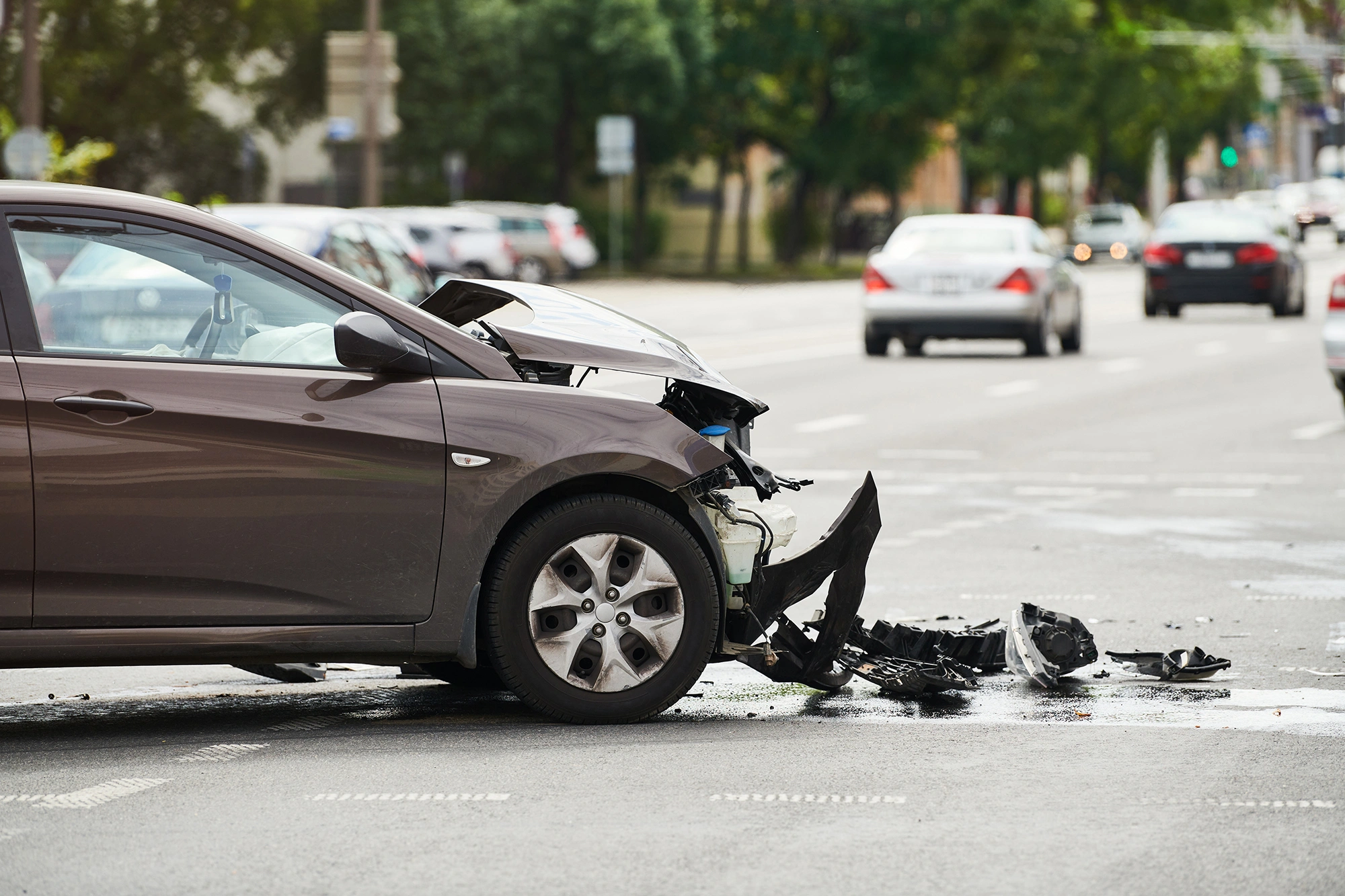
When discussing road safety in Singapore, the laws governing dangerous and careless driving play a central role in protecting all road users. These offences are set out in the Road Traffic Act (“RTA”), which establishes clear standards of conduct for motorists and prescribes serious consequences for those who fall short of them.
Dangerous driving is governed by Section 64 of the Road Traffic Act, while careless driving falls under Section 65. In 2019, Parliament strengthened these provisions by introducing tougher penalties, reflecting Singapore’s firm stance against irresponsible driving behaviour.
Taken together, the legal framework sets clear expectations for how motorists should behave and what happens when someone drives in a way that puts others at risk. The aim is not only to punish wrongdoing but also to deter unsafe habits, promote responsible driving, and remind every road user that a moment of carelessness can lead to severe and lasting consequences.
Under Section 64 of the Road Traffic Act, a person commits the offence of dangerous driving if he or she drives a motor vehicle on a road:
In assessing whether driving is dangerous, the court considers all the circumstances of the case, including:
Dangerous driving reflects a higher degree of culpability, as it involves conduct that poses a clear and serious risk to other road users.
Section 65 of the Road Traffic Act provides that a person commits the offence of careless driving if he or she drives a motor vehicle:
Careless driving typically involves a lower degree of blameworthiness as compared to dangerous driving. However, where injury or serious harm results, the consequences for the offender can still be significant.
An offender convicted of dangerous or careless driving may be sentenced to:
The severity of the sentence depends on factors such as the degree of harm caused, the offender’s level of culpability and other offender-specific factors. Where serious injury or death results, the courts will take a particularly serious view of the offence.
| Issue | Dangerous Driving (Section 64) | Careless Driving (Section 65) |
|---|---|---|
| Nature of conduct | Reckless or dangerous to the public | Lack of due care or consideration |
| Degree of culpability | Higher | Lower (as compared to dangerous driving) |
| Typical examples | Excessive speeding, aggressive manoeuvres | Inattention, momentary lapse |
| Possible penalties | Fine, imprisonment, disqualification | Fine, imprisonment, disqualification |
In 2024, a three-judge panel of the Singapore High Court in Chen Song v Public Prosecutor [2024] SGHC 129 reviewed the parliamentary debates relating to the 2019 amendments to the dangerous and careless driving provisions under the Road Traffic Act.
In that decision, the High Court also set out the applicable sentencing framework for the offence of careless driving under Section 65 of the Road Traffic Act. As a result, Chen Song is now the leading authority on careless driving causing hurt or grievous hurt in Singapore.
Hoh Law Corporation’s Role: Hoh Law Corporation represented the Appellant in Chen Song v Public Prosecutor [2024] SGHC 129. This case is among the many cases that adds to the firm’s experience in handling road traffic offences and criminal appeals before the Singapore courts.
Courts assess sentences for dangerous or careless driving by looking at several key considerations. These considerations help the Court determine how serious the offence is and what punishment is appropriate.
The Court will first consider the degree of harm caused in relation to a dangerous driving or careless driving offence. This includes the severity of injuries suffered by any victim as well as damage caused to property. A higher level of harm generally results in a higher sentence.
The court will next assess the culpability of the offender. Culpability refers to the degree of blameworthiness involved in the offender’s conduct.
Relevant factors may include:
Greater culpability leads to a higher expected sentence.
In addition to the twin factors of harm and culpability, the Court will also consider offender-specific factors. These may include:
If you have been charged with dangerous or careless driving, it is important to take measured and informed steps at an early stage.
The first step is to remain calm and understand the nature of the allegation. You should carefully review the charge and any accompanying documents to identify what the Prosecution is alleging and the specific offence under the Road Traffic Act.

You should also begin gathering any evidence that may be relevant to your case. This may include:
Such material may help establish the surrounding circumstances, clarify misunderstandings, or support your position during mitigation or trial.
Finally, it is important to understand your rights and obligations throughout the investigative and court processes. Seeking legal advice at an early stage can help you assess the strength of the charge, consider possible defences, and determine the most appropriate course of action in your best interests.
A lawyer can assist with preparing for court proceedings, communicating with the Prosecution, and ensuring that your interests are properly protected throughout the process.
Given the potentially serious penalties for dangerous or careless driving, it is important for anyone facing such a charge to understand their legal position early on.
If required, you should also consider engaging a lawyer to represent you during the criminal proceedings, whether to contest the charge or to present mitigating factors aimed at securing a more lenient sentence.
Hoh Law Corporation is experienced in handling dangerous and careless driving cases, and the firm’s experience includes handling landmark matters such as Chen Song v Public Prosecutor [2024] SGHC 129. Our team can guide you through the process, provide personalised advice, and advocate on your behalf.
Book an appointment with us today for dedicated representation and support.
It is possible. Depending on the circumstances of the offence and the harm caused, a conviction for careless driving may result in imprisonment, in addition to fines and a period of disqualification from driving.
Disqualification is a possible consequence of both dangerous and careless driving offences. Whether a disqualification order is imposed, and for how long, depends on the facts of the case and the offender’s culpability.
Yes. Depending on the facts and evidence, it may be possible to challenge the charge or dispute the prosecution’s case. Each matter turns on its own facts’ circumstances.
The courts consider several key factors, including:
Disclaimer: Statements in this article are not to be construed as legal advice, and are meant for general information only. The writer and/or Hoh Law Corporation shall not be responsible or liable for any errors, mistakes, or misinterpretations of any statements found herein.
Thank you for choosing Hoh Law Corporation. For any general enquiries, please fill in the following contact form and we will get back to you as soon as possible. Alternatively, you may reach us at 6553 4800.